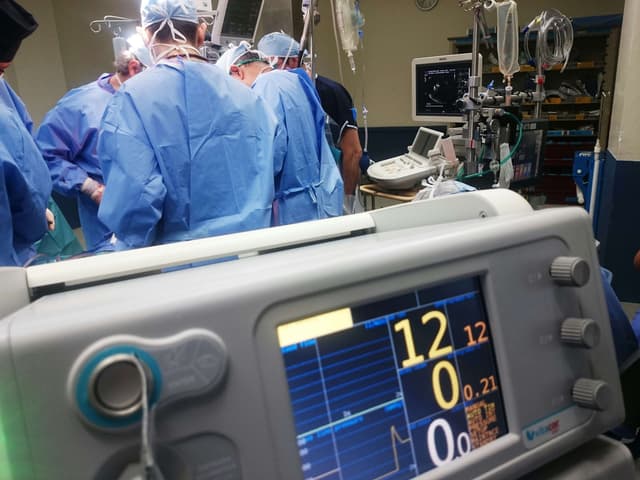
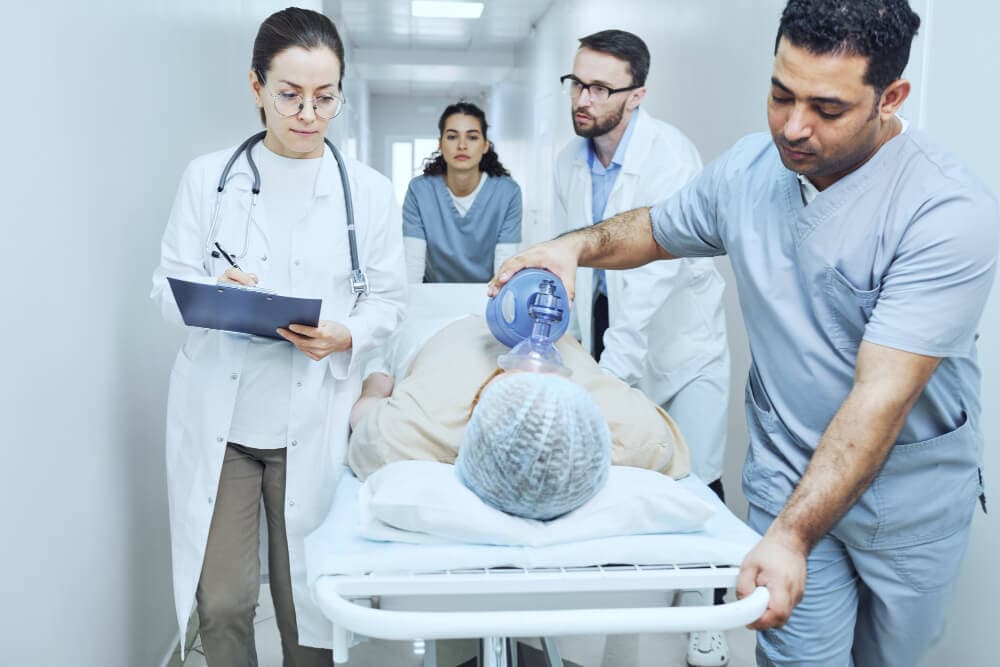
A 32-year-old male patient was brought to Sushruta Hospital after a severe road traffic accident. He suffered multiple fractures in his leg along with extensive tissue damage, making mobility nearly impossible.

Coordinated trauma protocols saved critical response time.
Level 1 trauma activation mobilized seven specialists simultaneously. ATLS protocols guided simultaneous assessment and treatment. Massive transfusion protocol delivered 12 units within first hour. Whole-body CT in trauma bay identified all injuries in 8 minutes.


Coordinated trauma protocols saved critical response time.
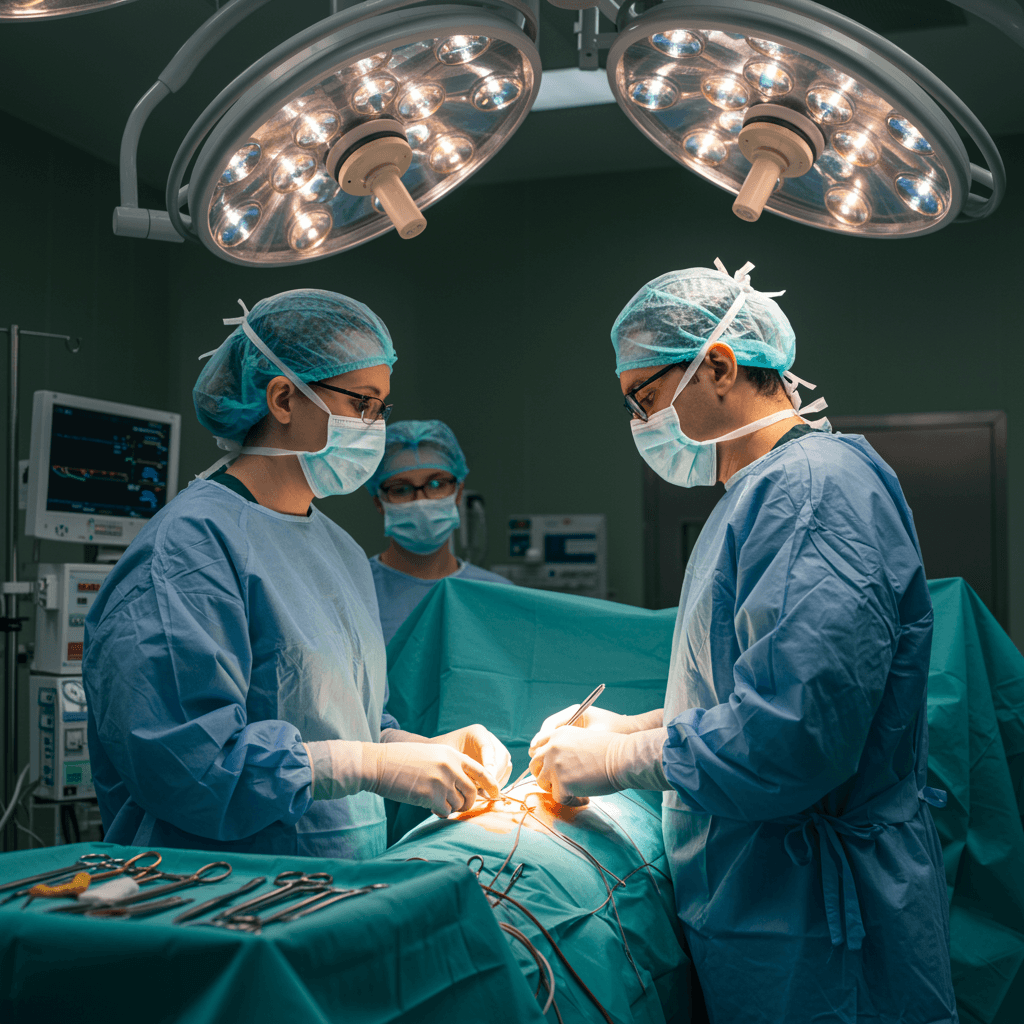
Simultaneous operative procedures: neurosurgeon performed craniotomy while general surgeon controlled abdominal bleeding. Orthopedic team applied external fixators. Interventional radiology performed angioembolization for pelvic bleeding. All procedures coordinated from central command.
Coordinated trauma protocols saved critical response time.
Level 1 trauma activation mobilized seven specialists simultaneously. ATLS protocols guided simultaneous assessment and treatment. Massive transfusion protocol delivered 12 units within first hour. Whole-body CT in trauma bay identified all injuries in 8 minutes. Simultaneous operative procedures: neurosurgeon performed craniotomy while general surgeon controlled abdominal bleeding. Orthopedic team applied external fixators. Interventional radiology performed angioembolization for pelvic bleeding. All procedures coordinated from central command. Goal-directed resuscitation using PICCO monitoring. Lung-protective ventilation for pulmonary contusion. Continuous renal replacement therapy for crush injury. Targeted temperature management protected brain function. Door-to-OR time reduced to 22 minutes (benchmark: 60 minutes). Mortality rate decreased by 38% compared to previous year. Functional Independence Measure (FIM) scores showed 85% recovery at discharge. Trauma registry data drove continuous protocol improvements.

A 32-year-old male patient was brought to Sushruta Hospital after a severe road traffic accident. He suffered multiple fractures in his leg along with extensive tissue damage, making mobility nearly impossible.

A young woman sustained second- and third-degree burns on her face and arms due to a domestic accident, causing both physical pain and emotional distress.

Emergency neuro-operative care provided with coordinated response and advanced imaging for rapid stabilization.

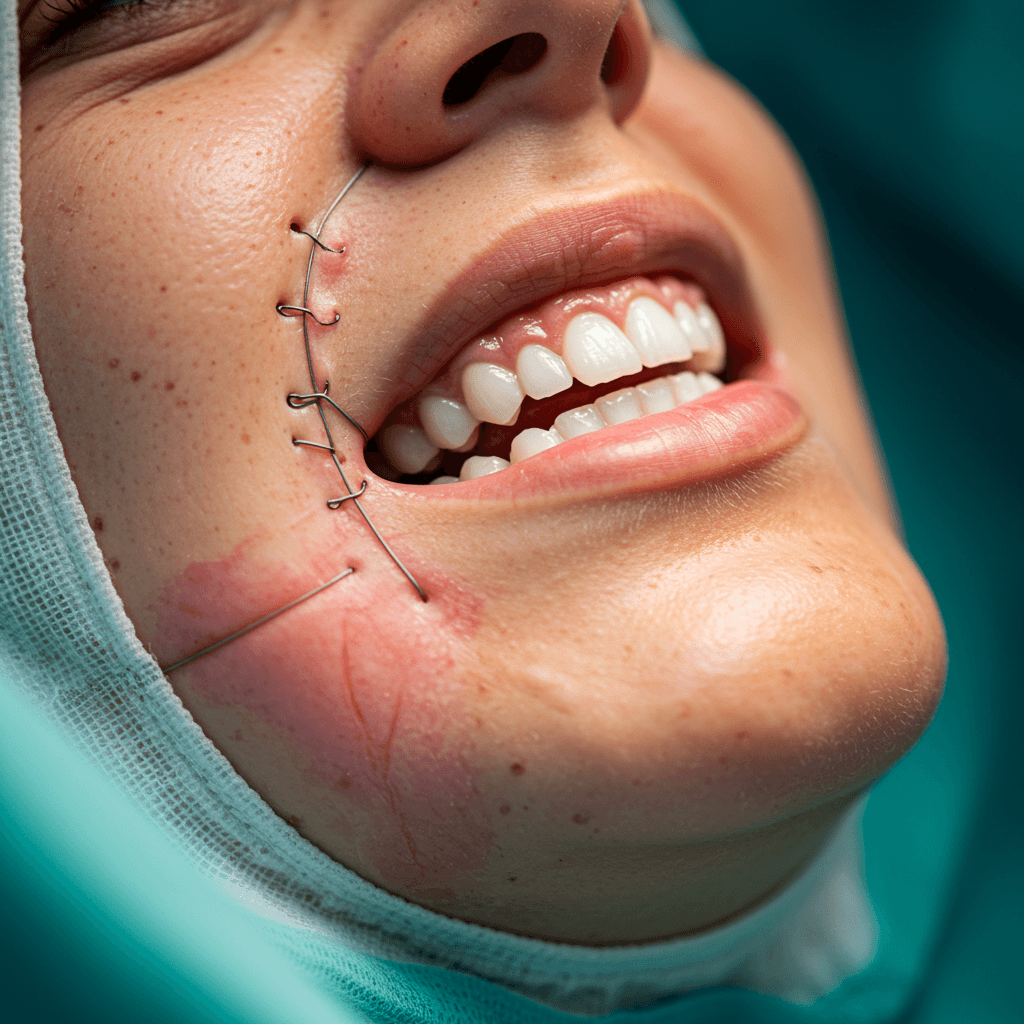
Complex mandibular reconstruction using microvascular techniques restored function and facial symmetry.
AI Assistant