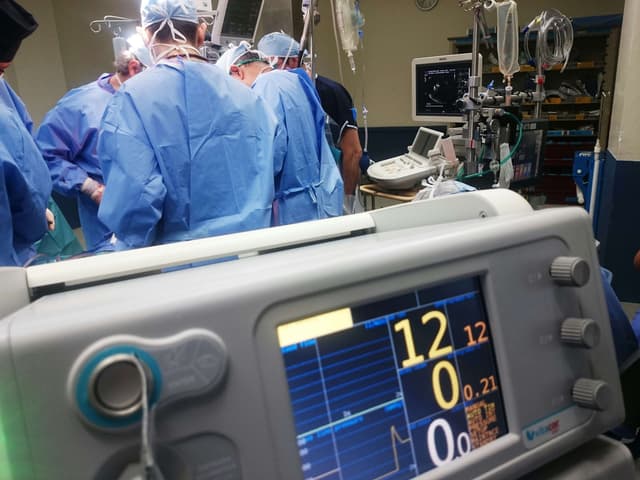
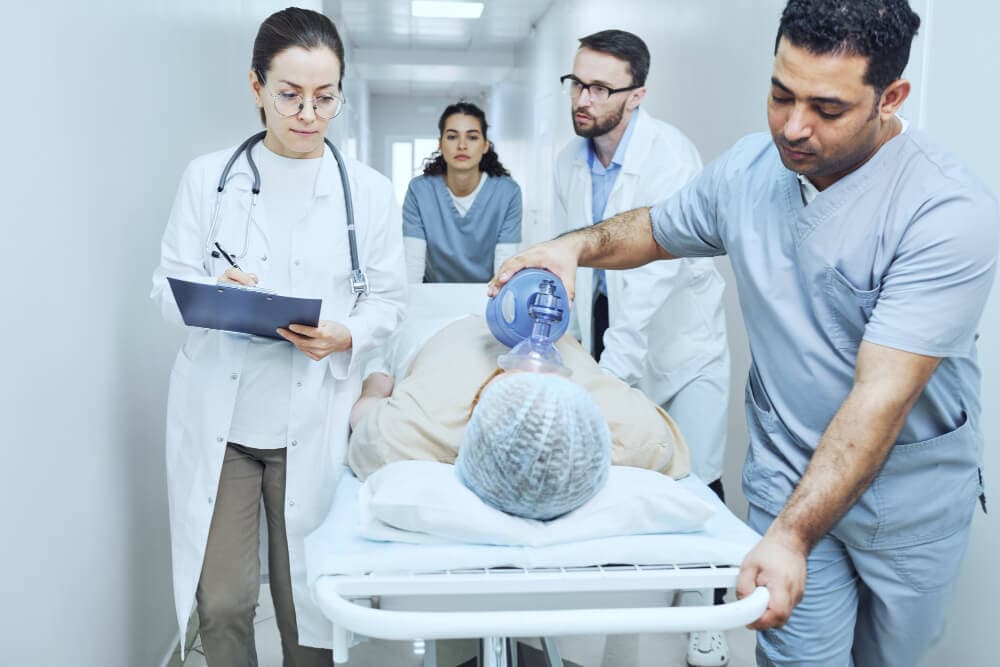
A 32-year-old male patient was brought to Sushruta Hospital after a severe road traffic accident. He suffered multiple fractures in his leg along with extensive tissue damage, making mobility nearly impossible.

Our neuro team ensured rapid diagnosis and life-saving surgical intervention.
CT angiography revealed a 7mm anterior communicating artery aneurysm with subarachnoid hemorrhage (Fisher Grade 3). Diffusion-weighted MRI identified early ischemic changes. Digital subtraction angiography provided roadmap for endovascular intervention. Continuous EEG detected subclinical seizures.


Our neuro team ensured rapid diagnosis and life-saving surgical intervention.
Emergency coiling procedure secured the ruptured aneurysm using stent-assisted technique. Intraoperative indocyanine green videoangiography confirmed complete occlusion. Ventriculostomy managed elevated intracranial pressure. Neuroprotective hypothermia minimized secondary brain injury.
Our neuro team ensured rapid diagnosis and life-saving surgical intervention.
CT angiography revealed a 7mm anterior communicating artery aneurysm with subarachnoid hemorrhage (Fisher Grade 3). Diffusion-weighted MRI identified early ischemic changes. Digital subtraction angiography provided roadmap for endovascular intervention. Continuous EEG detected subclinical seizures. Emergency coiling procedure secured the ruptured aneurysm using stent-assisted technique. Intraoperative indocyanine green videoangiography confirmed complete occlusion. Ventriculostomy managed elevated intracranial pressure. Neuroprotective hypothermia minimized secondary brain injury. Triple-H therapy (hypertension, hypervolemia, hemodilution) prevented delayed cerebral ischemia. Transcranial Doppler monitored for vasospasm. Nimodipine protocol improved outcomes. Advanced multimodal monitoring included brain tissue oxygenation and cerebral microdialysis. Early neurorehabilitation began with tilt table therapy for orthostatic intolerance. Constraint-induced movement therapy improved motor function. Cognitive remediation addressed executive dysfunction. Swallowing therapy prevented aspiration pneumonia during recovery.

A 32-year-old male patient was brought to Sushruta Hospital after a severe road traffic accident. He suffered multiple fractures in his leg along with extensive tissue damage, making mobility nearly impossible.

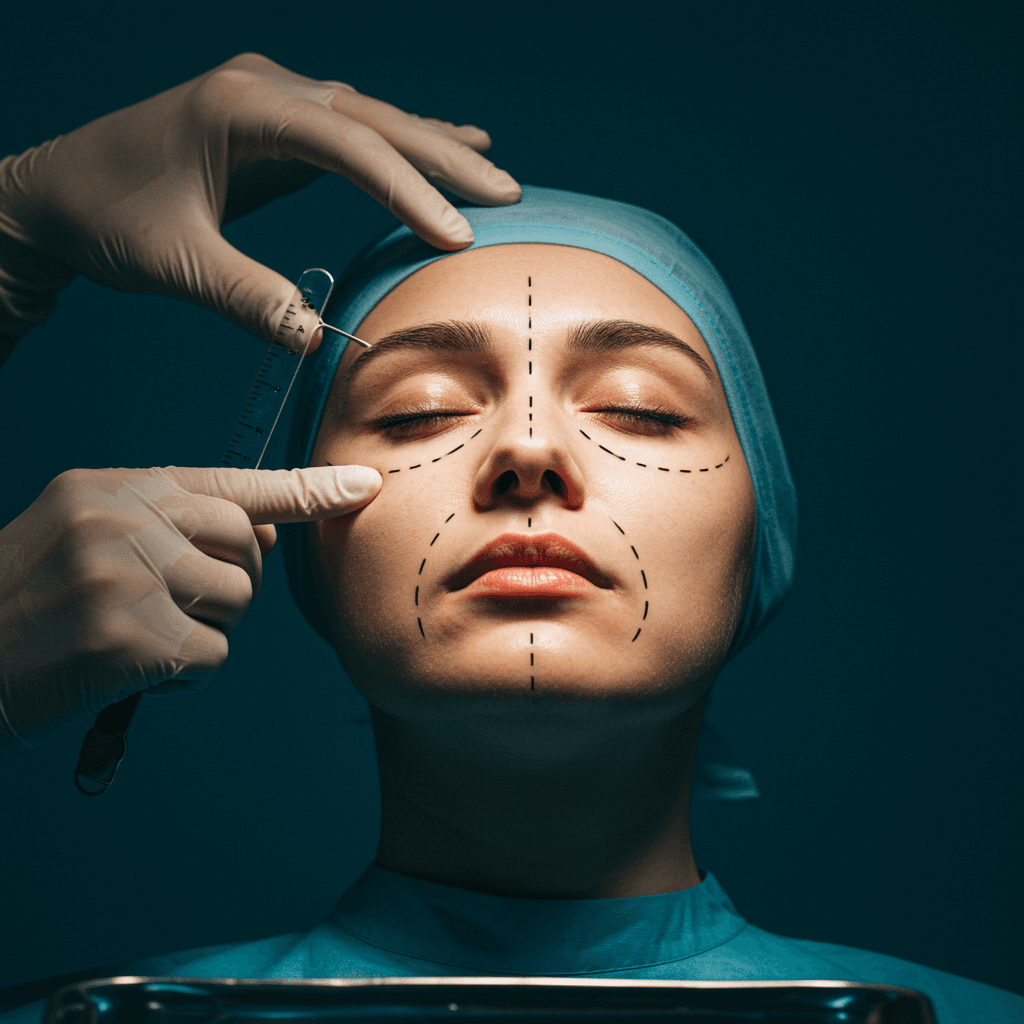
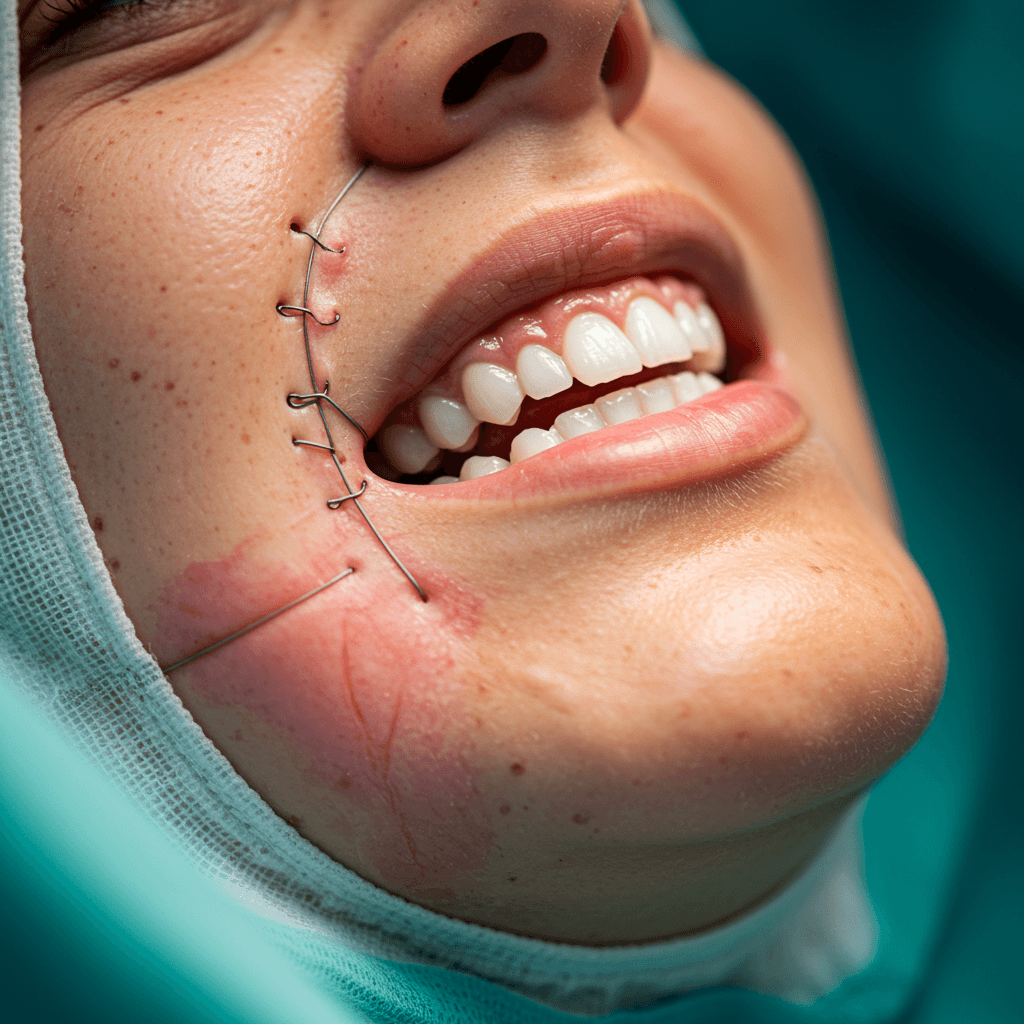
A young woman sustained second- and third-degree burns on her face and arms due to a domestic accident, causing both physical pain and emotional distress.

Complex mandibular reconstruction using microvascular techniques restored function and facial symmetry.

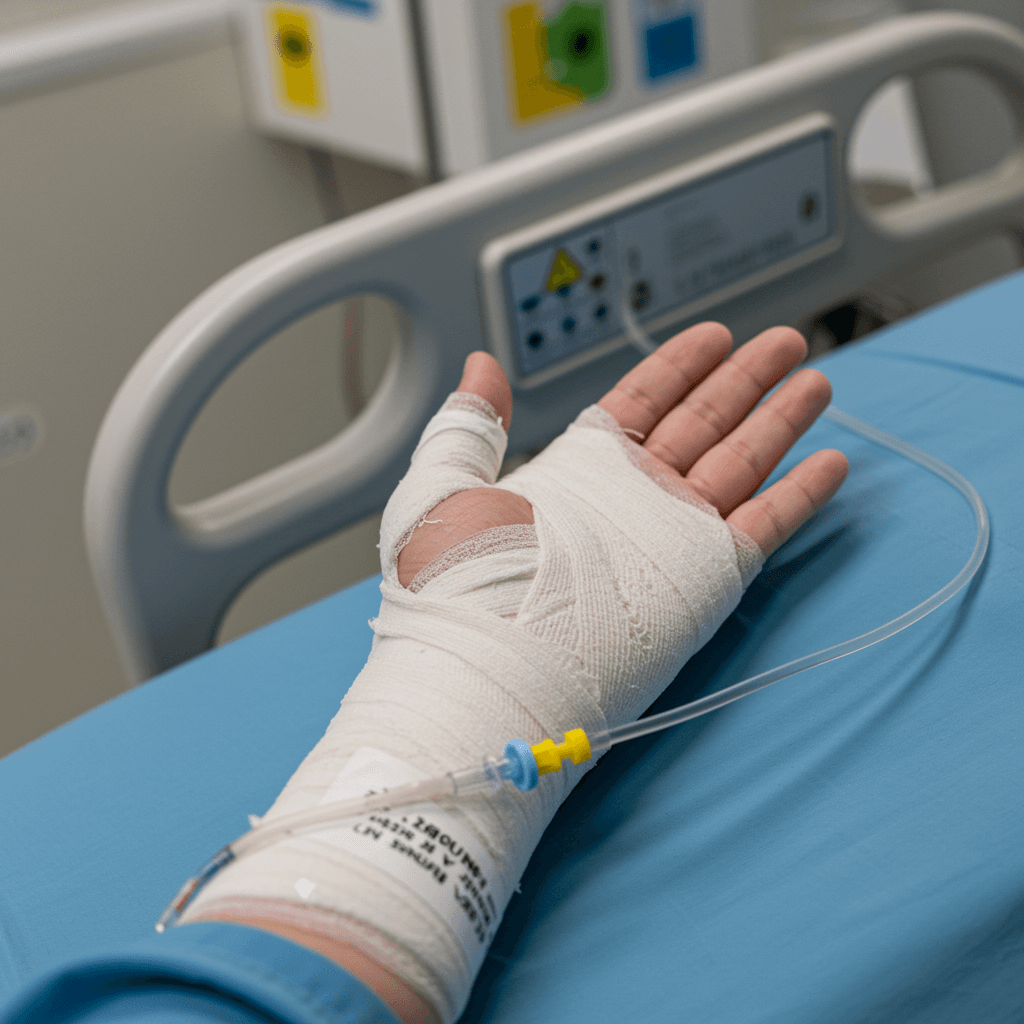
Severe hand trauma post-industrial accident managed with staged reconstruction and rehab.
AI Assistant